Breaking Generational Trauma Cycles for a Healthier Future


Generational trauma refers to the psychological impacts of trauma passed down through families. It often stems from events like war, systemic racism, or abuse, leaving emotional scars that ripple through generations. For example, children of Holocaust survivors and African Americans affected by slavery show higher rates of anxiety and depression due to inherited trauma. These patterns can feel overwhelming, but breaking the generational trauma cycle is possible. By addressing these inherited wounds, you can create healthier relationships and foster emotional growth for yourself and future generations. Healing starts with awareness, courage, and a commitment to change, paving the way for breaking generational trauma cycle and building a brighter future.
Key Takeaways
Trauma passed through families can harm mental and emotional health. It may cause stress, sadness, or trouble in relationships. Noticing these patterns is the first step to getting better.
Therapy helps deal with family trauma. Personal, family, or group therapy gives support and ways to grow emotionally.
Understanding family habits can stop trauma from continuing. Talking openly with family can bring understanding and help everyone heal.
Setting healthy boundaries keeps your feelings safe. Limits help you have better relationships and grow as a person.
Being strong and taking care of yourself are key to healing. Mindfulness and support from others can help you handle tough times.
What Is Generational Trauma?
Defining Generational Trauma
Generational trauma refers to the psychological and emotional wounds passed down from one generation to the next. It goes beyond personal experiences, embedding itself in family dynamics and cultural practices. This type of trauma often stems from significant events like war, systemic oppression, or childhood trauma. Unlike individual trauma, generational trauma affects entire family systems, shaping behaviors, beliefs, and emotional responses over time.
Psychological theories provide frameworks to understand this phenomenon. For example:
Theory/Framework | Description |
|---|---|
Helps practitioners understand intergenerational trauma across diverse cultures. | |
Bowen Family Systems Theory | Explains how trauma impacts family relationships and dynamics over generations. |
Bronfenbrenner’s Bioecological Model | Examines how trauma disrupts multiple layers of an individual’s environment. |
These frameworks highlight the complexity of generational trauma and its far-reaching effects.
How Trauma Is Passed Down
Trauma can be passed down through both biological and cultural pathways. Modern research shows that trauma experienced by ancestors can alter gene expression through epigenetics. This means trauma doesn’t change the DNA sequence itself but influences how genes function. For instance, studies on Holocaust survivors and descendants of the Dutch famine reveal that trauma impacts stress responses in future generations.
Cultural transmission also plays a significant role. Families often pass down learned behaviors, coping mechanisms, and emotional patterns. For example, a parent who experienced childhood trauma may unknowingly project their fears or anxieties onto their children. This creates cycles of dysfunction that persist unless actively addressed.
Common Causes of Generational Trauma
Generational trauma often arises from extreme or prolonged adversity. Common causes include:
Childhood trauma, such as physical, emotional, or sexual abuse.
Oppression, including systemic racism and discrimination.
War, genocide, or slavery.
Domestic violence or prolonged family conflict.
Cultural dislocation, where communities are forced to abandon traditions.
Natural disasters or other catastrophic events.
Oppression and systemic racism are particularly significant contributors. These experiences create lasting mental health disparities within affected communities. For example, structural racism perpetuates cycles of trauma, making healing even more challenging. Recognizing these causes is the first step toward breaking the cycle and fostering resilience.
The Effects of Generational Trauma
Mental and Emotional Health Impacts
Generational trauma deeply affects mental and emotional well-being. You may notice heightened anxiety, depression, or even PTSD. For example, African Americans often experience higher psychological stress due to the lingering effects of slavery and systemic racism. These struggles can feel overwhelming, but recognizing them is the first step toward healing.
You might also face challenges like chronic stress or difficulty regulating emotions. These patterns often stem from adverse childhood experiences. Parents dealing with unresolved trauma may unintentionally model behaviors like emotional withdrawal or hypervigilance. Children absorb these patterns, leading to relationship conflicts and mistrust.
Parents who carry unprocessed trauma may unknowingly pass on emotional withdrawal, anger, or hypervigilance, which children mirror in their own behaviors.
Common signs include mood swings, heightened sensitivity to stress, and trouble managing emotions like anger or sadness. These emotional and relational effects can disrupt your daily life, but therapy offers tools to break these cycles.
Physical Health Consequences
The effects of generational trauma extend beyond emotions, impacting your physical health. Chronic stress from unresolved trauma elevates stress hormones, leading to inflammation. This can increase the risk of cardiovascular diseases and autoimmune conditions. Trauma also disrupts your nervous system, causing digestive issues, sleep disturbances, and high blood pressure.
Epigenetic changes further complicate this. Trauma alters gene expression, making future generations more vulnerable to health problems. For example, descendants of Holocaust survivors often show higher susceptibility to stress-related illnesses. These physical consequences highlight the importance of addressing childhood trauma through therapy and self-care.
Impact on Relationships and Parenting
Generational trauma shapes how you connect with others. It can make building trust or maintaining intimacy difficult. Parents may unintentionally teach maladaptive coping mechanisms or project unresolved fears onto their children. For instance, a parent who experienced neglect might struggle with emotional availability, affecting their child’s ability to form secure attachments.
You might notice family members avoiding emotional conversations or relying on unhealthy coping mechanisms like substance abuse or withdrawal. These patterns create cycles of anger and distrust. Therapy can help you break these cycles by fostering healthier communication and boundaries. Healing from adverse childhood experiences allows you to build stronger, more fulfilling relationships.
How to Break Generational Trauma
Building Awareness and Acknowledgment
Understanding how to break generational trauma begins with awareness. Recognizing its presence in your family is the first step toward healing. Reflect on patterns in your family history. Are there recurring behaviors, fears, or emotional struggles? Acknowledging these patterns allows you to see how past experiences shape your present.
Opening up about generational trauma can feel liberating. Sharing your story lifts the burden of silence and creates space for healing. You might find strength in understanding the sacrifices and struggles of your ancestors. Recognizing their resilience can empower you to break the cycle.
Talk openly with trusted family members about your shared history.
Use historical understanding as a source of strength.
“Just holding space to talk about generational trauma ignites a fire in people to want to do better, and to want to disrupt harmful patterns of trauma.”
Building awareness requires courage. By accepting the presence of generational trauma, you take the first step toward breaking the generational trauma cycle.
Seeking Professional Help
Therapy is a powerful tool for healing. Professionals who can help with generational trauma offer a safe space to explore your emotions and family history. Individual therapy allows you to focus on your personal experiences, while family therapy addresses shared dynamics. Trauma-focused therapies, such as EMDR or CBT, provide specialized techniques to process deep-seated pain.
Individual therapy
Family therapy
Group therapy
Trauma-focused approaches
In group settings, you can connect with others who share similar experiences. Bibliotherapy and genograms are also effective tools for understanding family patterns. Seeking therapy equips you with strategies to navigate emotional challenges and fosters long-term healing.
Fostering Secure Attachments
Fostering secure attachment is essential for breaking the cycle of generational trauma. Relationships built on trust, safety, and emotional connection create a foundation for healing. When children of trauma survivors grow up in supportive environments, they are less likely to inherit trauma-related behaviors.
Emphasize safety and support in your relationships.
Build connections based on trust and understanding.
Open and honest communication strengthens bonds and helps prevent the transmission of trauma. By fostering secure attachment, you not only heal yourself but also create a healthier future for the next generation.
Creating Healthy Boundaries
Creating healthy boundaries is essential for breaking generational trauma cycles. Boundaries protect your emotional well-being and help you establish a sense of control in relationships. They allow you to prioritize your needs while fostering healthier interactions with family members.
Start by identifying situations or behaviors that make you feel uncomfortable or unsafe. Reflect on how these patterns have impacted your mental and emotional health. Once you recognize these triggers, take steps to set clear limits. For example:
Limit interactions with family members who perpetuate harmful behaviors.
Politely decline conversations or activities that feel emotionally draining.
Communicate your boundaries clearly and assertively, ensuring others understand your needs.
Boundaries are not about shutting people out. They are about creating space for healing and growth. When you set boundaries, you protect yourself from further harm and prevent the perpetuation of trauma. This process may feel challenging, especially if your family is not accustomed to open communication. However, prioritizing your well-being is a vital step in breaking the cycle of generational trauma.
“Healthy boundaries are not walls; they are bridges to better relationships and self-respect.”
By establishing these limits, you create an environment where healing becomes possible. You also model healthier behaviors for future generations, ensuring they inherit resilience instead of pain.
What If My Family Resists Change
Resistance to change is common when addressing generational trauma. Family members may feel uncomfortable confronting painful truths or altering long-standing dynamics. This resistance can make breaking generational trauma cycles more difficult, but it is not insurmountable.
Start by acknowledging the root causes of the trauma. Share your intentions with your family in a compassionate and non-confrontational way. Explain how addressing these patterns can benefit everyone involved. Family therapy can be a powerful tool in this process. It provides a safe space for open communication, allowing each member to share their experiences without fear of judgment.
In therapy, a professional guides the conversation, fostering understanding and accountability. This collective effort helps families build healthier communication patterns and emotional resilience. Even if some members resist, therapy equips you with tools to navigate these challenges.
If resistance persists, focus on your own healing journey. You cannot force others to change, but you can lead by example. Practice self-care, seek support from trusted friends or groups, and continue working on your personal growth. Over time, your progress may inspire others to join you in breaking the cycle.
“Healing begins with one person’s courage to change. Your journey can spark transformation in others.”
Remember, breaking generational trauma cycles is a long-term process. Patience and persistence are key. Even small steps toward healing can create ripples of change for future generations.
The Role of Resilience, Self-Care, and Community Support
Building Resilience
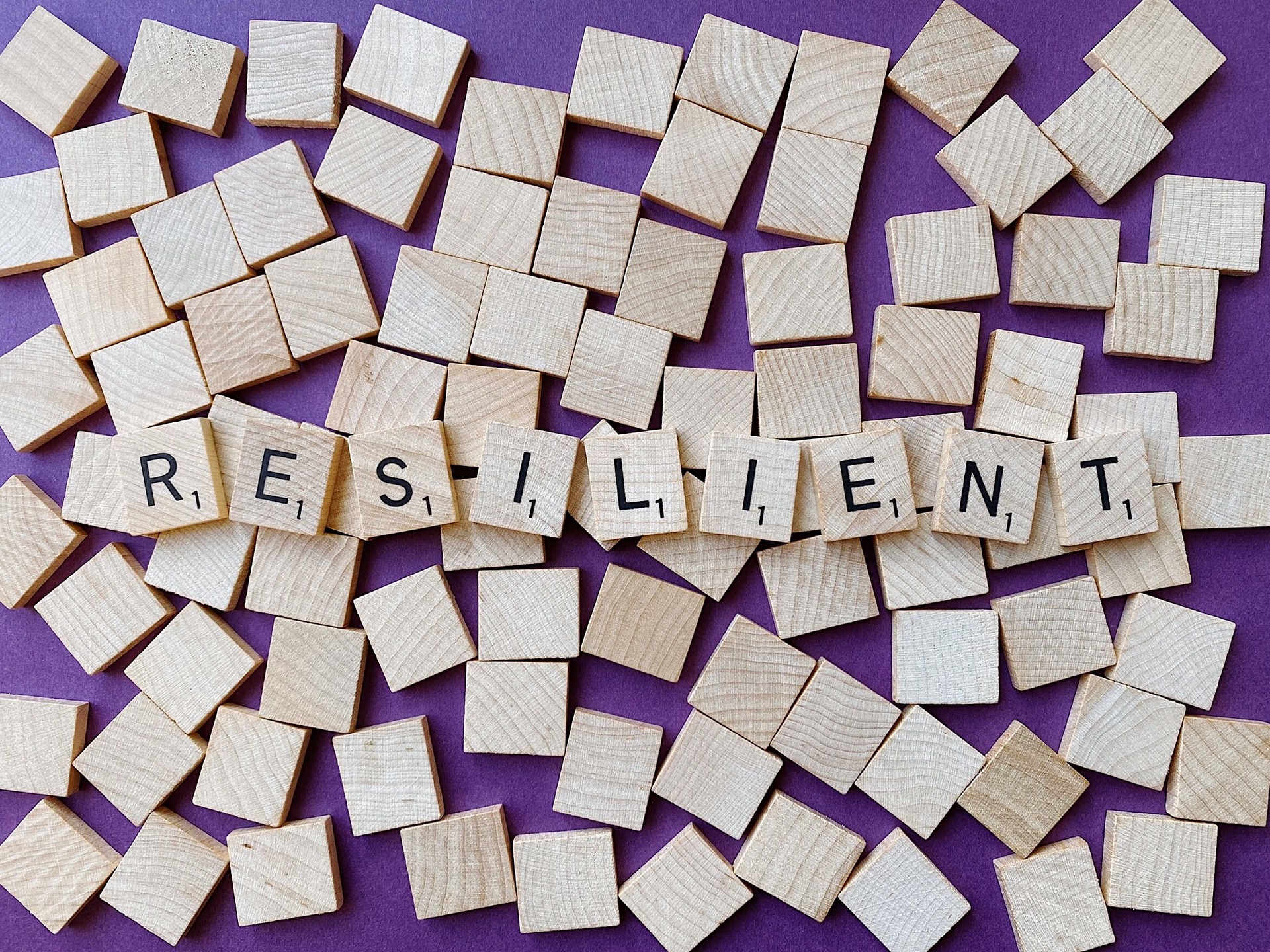
Resilience plays a vital role in overcoming generational trauma. It helps you manage challenges and recover from emotional setbacks. Building resilience starts with healthy coping mechanisms. Mindfulness practices, such as deep breathing or meditation, can help you regulate emotions. Creative outlets like painting or writing allow you to express feelings constructively. Setting boundaries with harmful family members also protects your emotional well-being.
Resilience grows when you embrace adaptive thinking. Focus on what you can control and reframe negative thoughts into opportunities for growth. Reconnecting with cultural traditions can strengthen your sense of identity and provide comfort. Professional therapy offers tools to navigate adversity and build emotional strength.
Resilience-building involves fostering adaptive thinking, practicing mindfulness, and creating supportive relationships. These steps empower you to recover from adversity and adapt to challenges.
By cultivating resilience, you model healthy behaviors for future generations. This not only aids your healing but also breaks the cycle of trauma.
Practicing Self-Care
Self-care is essential for healing. It helps you identify how generational trauma shapes your emotions and behaviors. Journaling can uncover patterns in your family history, offering clarity. Mindfulness techniques, like grounding exercises, keep you present and reduce stress.
Prioritize self-care by dedicating time to activities that nourish your mind and body. Exercise boosts your mood and energy levels. Meditation calms your thoughts, while creative hobbies provide joy. Establishing boundaries ensures you protect your mental health. For example, limit interactions with individuals who drain your energy.
Practice mindfulness and self-reflection.
Allow yourself to grieve and process emotions.
Build a support network of trusted individuals.
Self-care is not selfish. It’s a preventive and healing measure that strengthens your ability to face challenges.
Finding Support in Community
Community support is a powerful tool for breaking the cycle of generational trauma. Strong social networks reduce feelings of isolation and provide emotional encouragement. Group settings, such as support groups, allow you to share experiences and learn from others. These spaces foster collective healing and inspire change.
Community-based programs offer resources for addressing trauma. They create safe environments where you can express emotions without judgment. Reaching out to trusted friends or mentors also builds a sense of belonging. Addressing systemic issues like discrimination within your community can further promote healing.
Join support groups to connect with others.
Seek community programs that focus on collective resilience.
Build strong ties with people who uplift and support you.
Healing becomes more manageable when you lean on others. Together, you can create a supportive environment that nurtures growth and resilience.
Understanding and addressing generational trauma is a transformative journey. By breaking the chains of generational trauma, you create space for healing and growth. Start by acknowledging the patterns in your family history. Seek professional help, such as trauma-informed therapy or family counseling, to process unresolved pain. Build resilience through mindfulness, self-care, and cultural reconnection. These steps empower you to rewrite your story and foster healthier relationships.
Healing generational trauma takes time, but every small step matters. Remember, you are not alone. Resources like It Didn’t Start With You by Mark Wolynn or My Grandmother’s Hands by Resmaa Menakem can guide you. Organizations like the American Psychological Division of Trauma Psychology also offer valuable support. Your courage to heal today creates a brighter future for generations to come.
FAQ
What are the first steps to identify generational trauma in my family?
Start by observing recurring emotional patterns or behaviors in your family. Reflect on shared struggles, fears, or coping mechanisms. Journaling or creating a family genogram can help you uncover these patterns. Awareness is the first step toward breaking the cycle.
What if I feel overwhelmed by the healing process?
Feeling overwhelmed is normal. Focus on small, manageable steps like practicing mindfulness or seeking support from a therapist. Celebrate progress, no matter how small. Healing takes time, but each step brings you closer to breaking the cycle.
What role does forgiveness play in healing generational trauma?
Forgiveness can release emotional burdens and foster healing. It doesn’t mean excusing harmful actions. Instead, it allows you to let go of resentment and focus on your growth. Forgiving yourself and others creates space for emotional freedom.
What if my family denies the existence of generational trauma?
Denial is common. Focus on your healing journey. Share your insights compassionately, but don’t force change. Lead by example through your growth. Over time, your progress may inspire others to reflect and join the healing process.
What resources can help me learn more about generational trauma?
Books like It Didn’t Start With You by Mark Wolynn or My Grandmother’s Hands by Resmaa Menakem offer valuable insights. Therapy directories, online support groups, and community programs also provide guidance. Explore these resources to deepen your understanding and find support.
See Also
Escaping Childhood Trauma: Uncovering Hidden Patterns for Healing
Overcoming Abandonment Issues to Foster Stronger Connections